
Features take longer every sprint
Small changes touch ten files and estimates keep slipping. The cause is usually structure, not effort: tangled components, shared state with no owner and logic copied between pages.
Service·Architecture review·Code audit
Your Vue app works, but every feature takes longer than the last and nobody agrees on why. A senior VueSquad engineer reads your repository, talks to your team and writes down what is wrong, what it costs you and what to fix first. You can carry out the plan yourself or have us do it with you.
 Vue 3 · Nuxt
 Composition API
 Pinia / Vuex
 Vue Router
 TypeScript
 Vite
 Component libraries
When teams call us
Small changes touch ten files and estimates keep slipping. The cause is usually structure, not effort: tangled components, shared state with no owner and logic copied between pages.
A single Pinia or Vuex store holds half the app. Every component reads from it and writes to it, so a change on one screen breaks another.
Each page calls the API its own way, with its own loading and error states. Caching, retries and token refresh get solved five times, slightly differently.
The engineer who designed it has left. The team works around patterns it doesn't understand, and new hires copy whatever they find first.
You're choosing between a refactor and a rebuild, or a Vue SPA and Nuxt, and you want a senior opinion from someone who isn't pushing the bigger option.
OAuth callbacks, webhooks and API keys are where products leak data or break quietly. You want someone to read that code before a customer finds the problem.
How we work
We start with what you need to decide. A review aimed at "why is shipping slow" reads the code differently from one aimed at "refactor or rebuild".
A senior engineer reads the repository, runs the app and traces the main user flows through components, composables, stores and API calls.
Code shows what was built, not why. Short calls with your developers explain the constraints behind it, so we don't flag a deliberate trade-off as a mistake.
Every finding gets a risk level, an effort estimate and a concrete fix, with the files involved. We rank them so the cheap, high-impact items come first.
We go through the review with your team and answer questions. Then you choose: your team carries out the plan, or our engineers do it with you.
Deliverables
A document your whole team can read: what we found, where it lives in the code and why it matters.
Each issue rated by risk and by effort to fix, so quick wins and expensive changes sit side by side.
How components, stores, composables and API calls connect today, drawn from the real code, not the original plan.
Short Vue examples of how state, data fetching and component boundaries should look in your app from now on.
For each big call, such as refactor or rebuild, the options we weighed and why we recommend one.
The order of work, split into pieces your team can ticket and ship one at a time.
Engagement and price
Monthly billing at a flat rate. No onboarding fees, no minimum commitment, and you can pause or cancel anytime. Our hours overlap with US and EU time zones.
A senior engineer reviews the codebase, then stays on part-time to guide the first fixes and review your team's pull requests.
The reviewer moves straight into implementation and takes the highest-risk findings off your team's plate.
For large or multi-app products, where the review turns into a refactor that runs alongside your roadmap.
A frontend architecture review on its own: the written review and walkthrough, which your team then carries out.
Relevant work
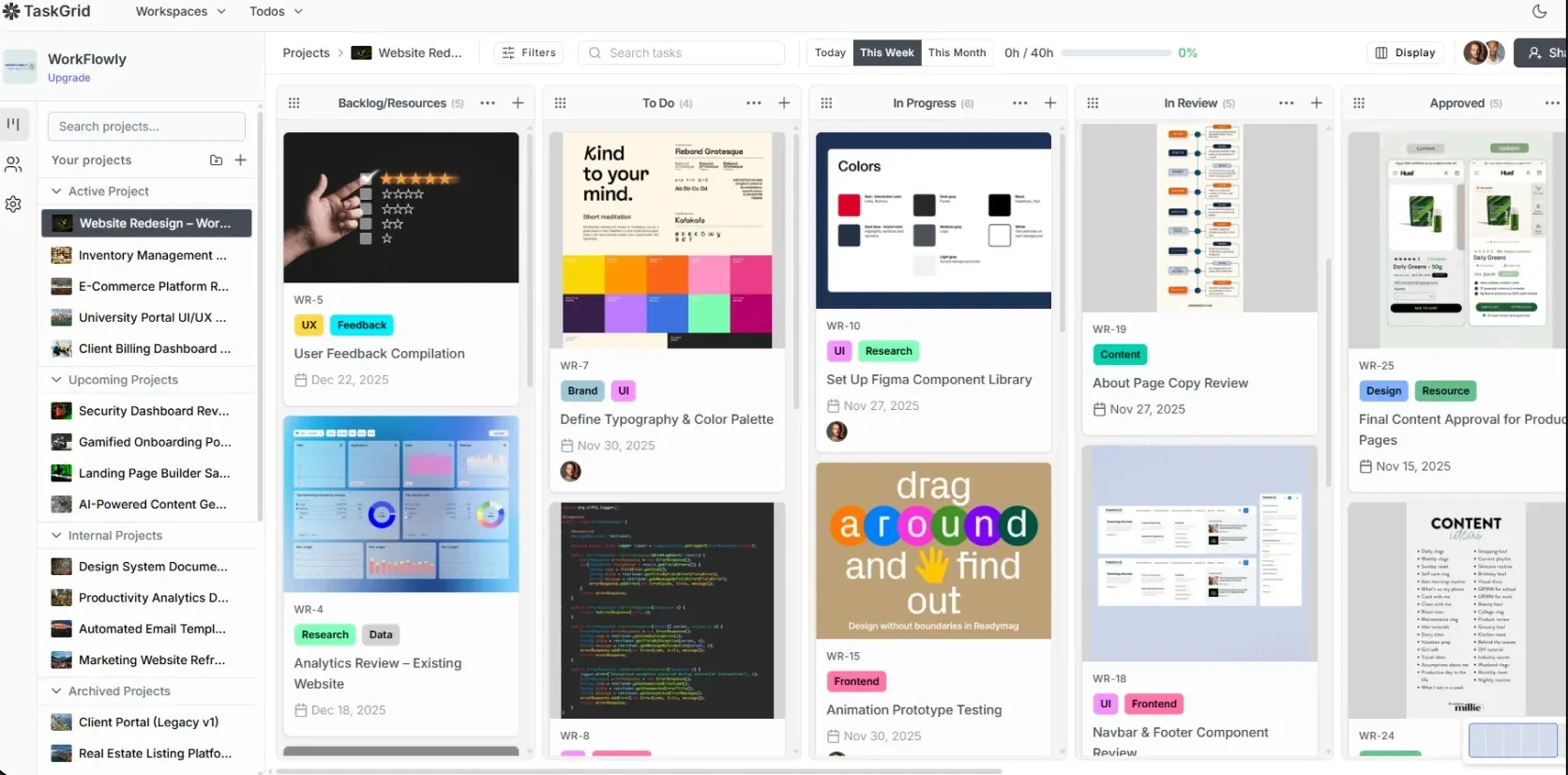
Card order uses LexoRank keys, so a drop never renumbers the whole column. Batch moves update the UI at once and roll back if the save fails, and the GitHub App and Slack integrations use secure OAuth.
Read the case study
A designer sets up a mockup once in the browser, and the server replays that exact setup for every render, with the same compositing in the browser and in Node.
Read the case study
Booking stays correct across time zones and daylight saving changes, and two students can't book the same slot at once.
Read the case studyHonest fit
We'd rather tell you now than sell you the wrong engagement.
FAQ
A code audit looks at the whole codebase: structure, state, data flow, types, dependencies and risk. A performance audit only asks why the app is slow and what fixes it. If speed is your one problem, start with the narrower one.
It depends on the size of the codebase and the questions you need answered. We agree on the scope before we start, so you know what the review covers and when you'll have it.
Read access to the repository, a way to run the app locally or on staging, and a few short calls with the people who built it. A code review doesn't need production credentials.
No. A useful review takes senior engineering time to read your code properly, so we don't offer free audits. Ask us about scope and price for a frontend architecture review.
Yes. Our engineers can take on the first, riskiest fixes while your team handles the rest. You can add a part-time or full-time senior engineer, billed monthly with no minimum commitment.
Yes. For Nuxt we also look at rendering modes, server routes, runtime config and what runs on the server versus the client. If the app is still on Nuxt 2 or Nuxt 3, the review covers the upgrade path too.
Get started
Tell us what you need to decide, roughly how big the app is and which Vue or Nuxt version it runs. A senior engineer will reply with how we'd scope the review.
Matched in 24 hours·48 hours free on every plan·No long-term contract